
Part 1: Why Physical Activity Matters More Than Ever
We live in a time when movement is medicine. Yet, the numbers tell a sobering story: only one in four adults in the U.S. is meeting the national guidelines for both aerobic and muscle-strengthening activity. Just as concerning, another one in four adults report no physical activity at all in their free time.
There is good news. Every step, stretch, or lift counts. Physical activity is not only about fitness; it is about reclaiming health, strengthening communities, and building opportunities that benefit everyone.
The Health Power of Movement
The science is clear: regular movement prevents chronic diseases like heart disease, diabetes, and even certain cancers. Just one session of moderate-to-vigorous physical activity delivers immediate benefits: reducing anxiety, improving sleep, and lowering blood pressure. Imagine what happens when you make it a lifelong habit.
Emerging research even shows that exercise boosts the immune system, equipping your body to stay resilient against illness. Physical activity doesn’t just add years to your life; it adds quality to those years.
The Cost of Inactivity and the Opportunity Ahead
Inadequate physical activity costs the U.S. healthcare system $117 billion every year. On the flip side, raising youth sports participation rates from 50% to 63% could save $80 billion in direct health costs and add 1.8 million quality years of life.
When we invest in movement, whether through parks, trails, gyms, or community programs, we’re investing in stronger, healthier futures for everyone.
A Call to Action
The path forward is clear. We must create a culture where physical activity is accessible, encouraged, and built into daily routines. Through coordinated efforts among policymakers, employers, educators, and community organizations, we can shift these statistics and strengthen the health of future generations.
Part 2: Building Strong Foundations for Youth and Older Adults
Physical activity is not just a personal choice. It is a foundation for lifelong health. When young people and older adults miss out on opportunities to move, our communities lose resilience, strength, and vitality.
Youth: The Next Generation of Movers
Only one in six high school students fully meet the national physical activity guidelines for both aerobic and muscle-strengthening activity. Even fewer, just one in five, participate in daily school physical education.
This matters. Active youth are healthier, more confident, and better prepared to lead. Participation in sports and structured activities builds social skills, discipline, and teamwork. Today, just over half of youth report being on a sports team or taking lessons during the past year. That is progress, but there is still significant work to do.
Investing in youth programs, school-based physical education, and safe places to play ensures that every child can build a lifelong habit of movement.
Older Adults: Staying Strong, Staying Independent
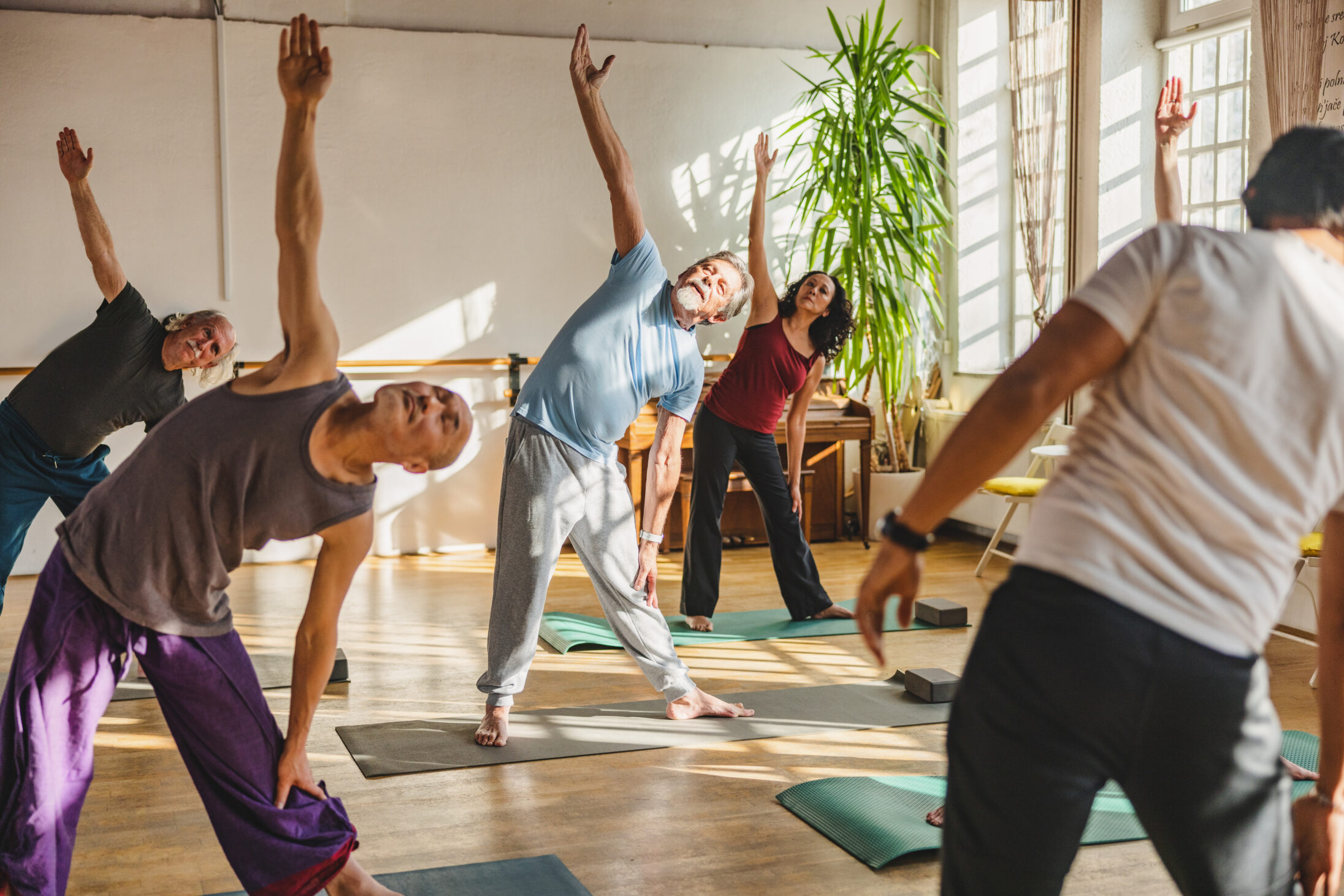
Among older adults with reduced physical or cognitive function, 41 percent still engage in some level of physical activity. This demonstrates that it is never too late to move.
Regular activity helps older adults maintain independence, prevent falls, and reduce healthcare costs. A modest 10 percent increase in activity among adults age 65 and older could lower Medicare costs by 1 percent within a few years. Encouraging movement at every age is both a personal and national investment.
Moving Together
Youth and older adults may seem like opposite ends of the spectrum, but they share one truth: movement is essential at every age. Whether it is making sure kids have recess or helping older adults find safe and supportive exercise programs, we all have a role to play.
Part 3: Stronger Communities, Stronger Futures
Physical activity does more than improve individual health—it shapes stronger, more connected communities. When movement is integrated into the design of neighborhoods, schools, and workplaces, everyone benefits.
Designing for Activity
Only one in five adults currently walk or bike to reach destinations. Communities that prioritize walkability and active design see far-reaching benefits. Walkable neighborhoods support local businesses, strengthen social ties, and improve air quality. Every park, trail, and greenway represents an investment that yields more than $3 in benefits for every $1 spent.
National Readiness and Resilience
The need for physical activity also connects to national preparedness. Only two in five young adults are physically ready for basic military training. Ensuring that future generations are active supports health, readiness, and resilience.
The stakes are high. Each year, about 110,000 premature deaths could be prevented if adults over age 40 were more active. Physical inactivity contributes to nearly 8 percent of all deaths among adults ages 40 to 69, and similar rates among older adults. Movement saves lives.
The Way Forward
We know what works, and we know the cost of inaction. From creating safe spaces for walking and play, to embedding wellness in schools and workplaces, to expanding programs for older adults, the tools for change are within reach.
Now is the time to act with coordination and purpose. By aligning policy, infrastructure, and community engagement, we can make physical activity a natural part of daily life for everyone. Together, we can build communities defined not by barriers, but by opportunity, connection, and health.
Ready to learn more? Read the National Physical Activity Plan.